
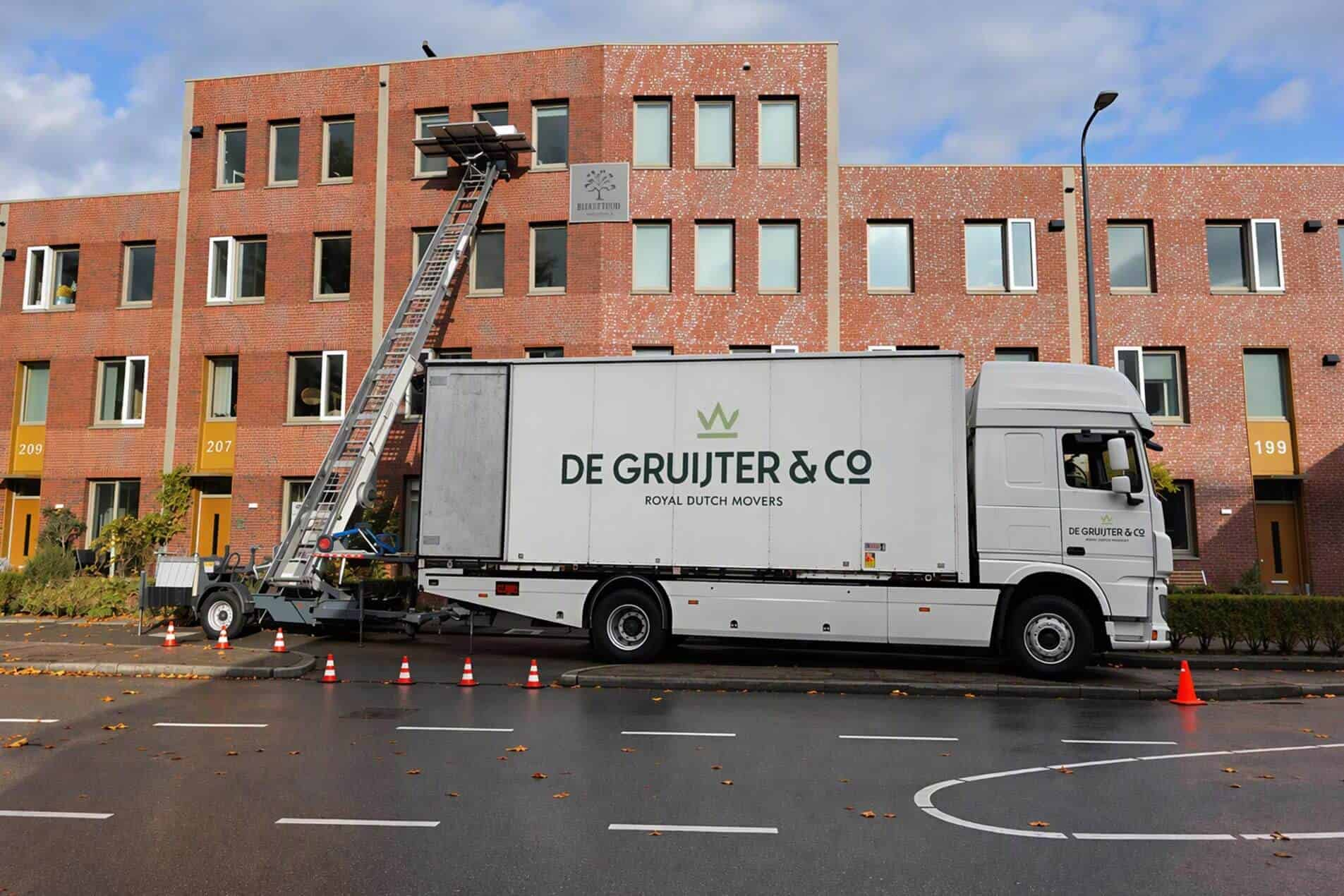
The moving truck arrives, the keys are handed over and the biggest milestones are complete. Then a different set of questions appears. Has the condition of the apartment been documented properly? Are the meter readings correct? Is the energy contract active? When will the internet work? And where can all of this be found again later?
These are small details compared with moving an entire household to another country. But together they determine how quickly a new address starts to feel like home.
This is the last mile of relocation.
The hidden workload after arrival
Most relocation planning focuses, understandably, on the big steps: finding a home, arranging immigration, signing the lease and organising the physical move.
Arrival feels like the finish line. In practice, it is often the start of a short but busy final phase.
Take a typical Friday handover in Amsterdam. An employee has just arrived with their partner. The keys are collected in the afternoon and the movers are bringing in the last boxes. On Monday, one of them is expected to work from home.
Before then, they may still need to check the condition of the property, record meter readings, understand which utilities are already running and confirm when the internet connection will be ready.
For someone who has moved within the Netherlands several times, some of this is familiar. For a new international resident, moving to the Netherlands, it usually is not. Water, energy, internet and district heating can all follow different processes. The resident may also be starting a new job, registering with the municipality and learning their way around a new city at the same time.
This is where a well-organised last mile makes a real difference. The aim is not to remove every task, but to make it clear what needs to happen, when it will happen and who is responsible.
A good handover prevents problems later
The property inspection is a good example of a small step with a long-term effect.
At check-in, the condition of walls, floors, furniture and appliances should be recorded. Existing damage should be photographed, meter readings noted and keys or access cards counted.
At that moment, it can feel very detailed. A year later, the same details may suddenly matter.
Imagine a tenant checking out after two years and a damaged section of flooring is noticed. Was it already there at check-in? A few old photographs hidden in an email chain may not give a clear answer. A structured report with dated photos usually will.
Good documentation helps both tenant and property owner. It can also save the real estate or relocation professional from having to reconstruct what happened months or years earlier.
This is one reason property inspections are becoming more digital. Instead of relying only on paper forms or static PDFs, inspections can now keep room-by-room notes, photographs, videos, meter readings and signatures together.
The real improvement is not the app itself. It is being able to find reliable information when it is needed later.
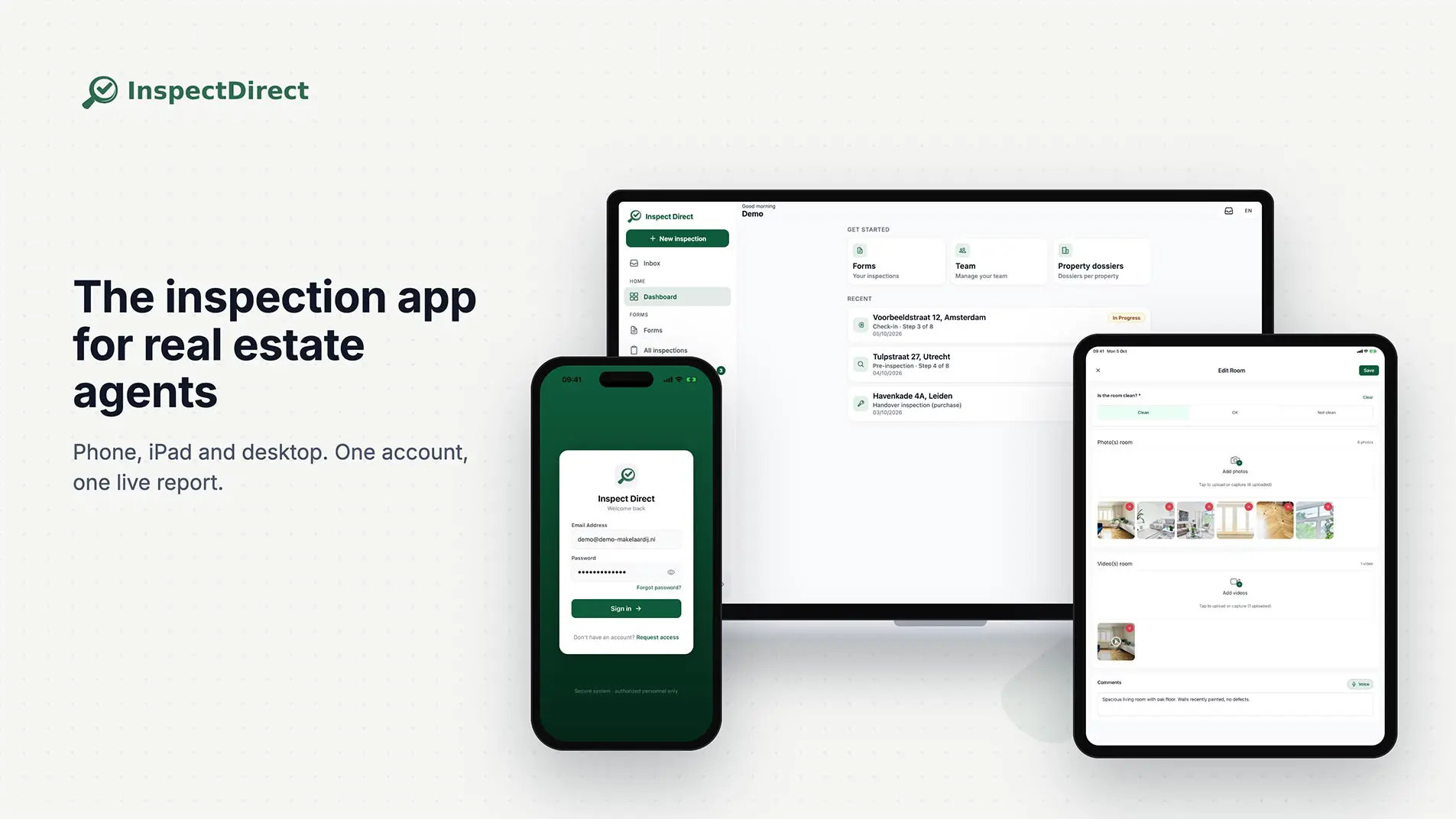
Caption: A structured digital inspection keeps the information from the handover accessible for both resident and property professional.
Arranging a service is only half the job
The same principle applies to the practical services around the home.
An electricity contract may have been requested, but does the resident know whether it has been accepted? Internet may have been ordered, but is an installation still required? Water may be simple to arrange, but does the customer know which regional supplier handles the address?
For HR and mobility professionals managing corporate international relocation, this is an important distinction. A task can be completed correctly behind the scenes while the employee still feels uncertain about its status.
That uncertainty creates unnecessary questions and follow-up. It can also affect the first impression of the relocation as a whole.
A useful last-mile process therefore gives the resident answers to a few basic questions: what has already been arranged, what is still in progress, what needs action from them and where they can go if something changes.
Timing matters as well. An internet contract that is technically arranged but becomes active two weeks after arrival is not much help to someone who needs to work from home on day one.
For mobility teams, the same visibility becomes even more useful when several relocations are running at the same time. A clear status means fewer separate update requests and makes it easier to spot the cases that genuinely need attention.
From separate tasks to one overview
Relocation has traditionally relied heavily on email, and email will remain useful. The difficulty is that one move can quickly create a long trail of separate conversations.
The inspection report arrives in one message. The energy confirmation comes from somewhere else. Internet has its own order details. The relocation consultant has another update. HR may be following the case separately.
Each party may have done its job perfectly, while the resident still lacks an overview.
This is where the last mile is becoming more professional. Across real estate and relocation, companies are using digital inspection tools, CRM systems, partner portals and client environments to keep information connected and make progress easier to follow.
The goal should not be to add more technology. Nobody relocating internationally wants five new apps and another set of passwords.
Good technology should reduce the number of places people need to look.
One example of this development can be seen in digital property inspections. With Inspect Direct, check-ins, check-outs and pre-inspections can keep photos, videos, meter readings and signatures connected to the same property record.
The same principle is increasingly being applied to household services. Utility Direct uses its CRM and partner environment to give professionals visibility into ongoing requests, while the client environment gives residents a similar overview of contracts, current requests, support and later renewals.
The tools themselves are only one example of a wider development: relocation is gradually moving away from separate transactions towards a more connected journey.
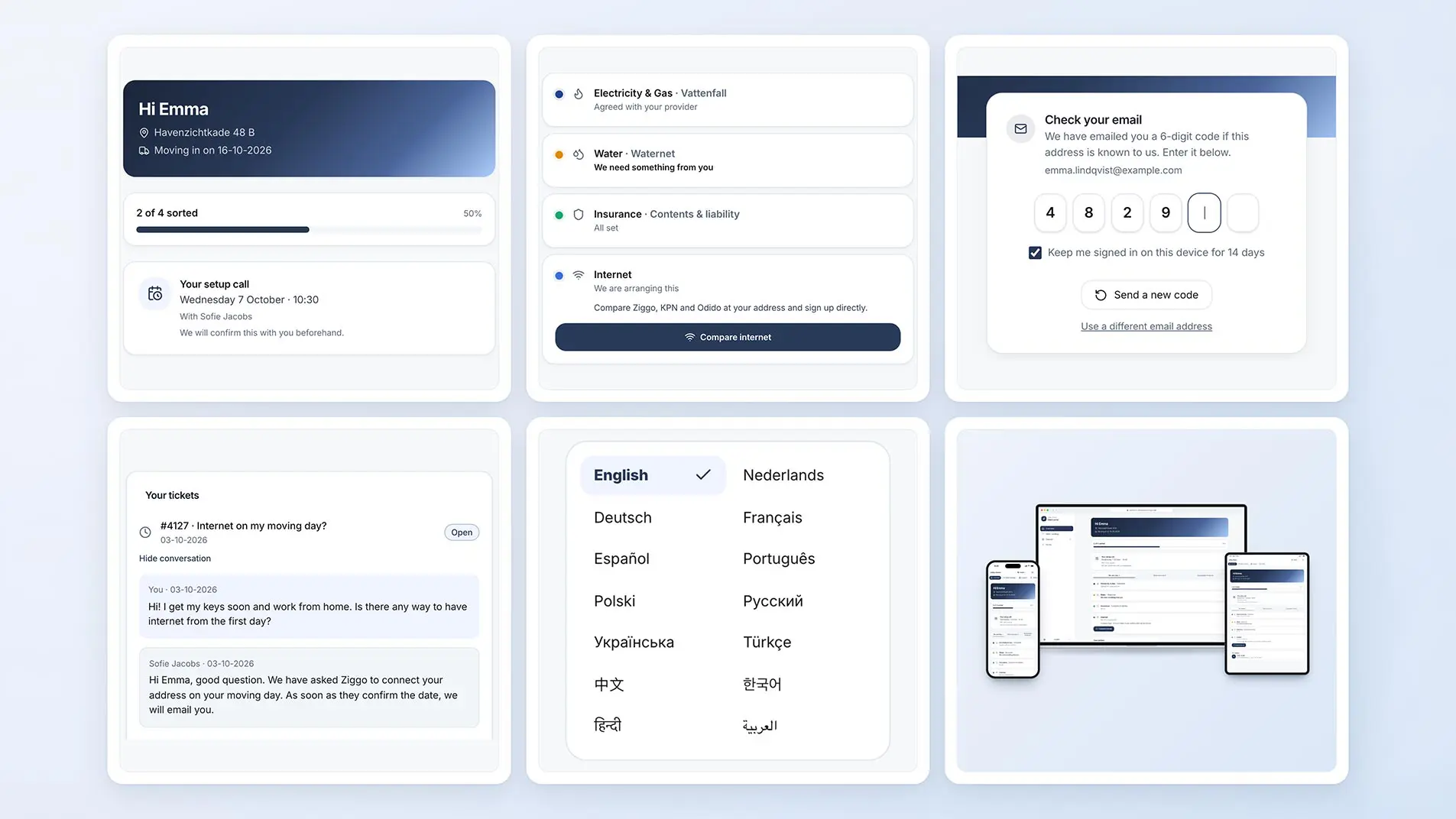
Caption: A clear overview of active requests and contracts can reduce the need to search through separate emails during and after the move.
What does a good last mile look like?
For expats, HR teams and mobility professionals, a few principles are worth keeping in mind.
Document the moments that may matter later.
Property condition, meter readings and handover details should be easy to retrieve, not dependent on somebody’s memory.
Make the status visible.
People do not expect every process to be instant, but they do want to know what is happening and what comes next.
Think about the first week, not only moving day.
Internet, utilities and support often become most important after the movers have left.
Keep ownership clear.
If something changes or goes wrong, the resident should know who to contact instead of being passed between several parties.
These are simple points, but they matter because the customer does not experience a relocation as a collection of suppliers.
They experience one move.
The last mile is where people start to feel settled
A modern relocation may involve movers, a relocation company, a real estate agent, a property manager, utility providers, internet companies, municipalities and an HR or mobility team.
Each organisation has its own role. The relocating employee rarely thinks in those boundaries.
They remember whether their belongings arrived safely, whether the home was properly handed over, whether essential services worked and whether somebody could help when something was unclear.
A good last mile is often almost invisible.
The boxes arrive. The keys are handed over. The property is documented. The basic services work. Important information can still be found months later.
That is when the relocation stops feeling like a project and the new address starts feeling like home.
About Utility Direct
Utility Direct supports people moving to or within the Netherlands with practical services around the home, including utilities, water, internet and telecommunications.
Together with Inspect Direct and its partner and client environments, the company also develops digital tools that help real estate and relocation professionals keep the final stage of a move organised and transparent.